Hello everyone! I’m Audi García, and although this is my first time writing in the Forum, I’ve been interacting with the Astar Network community for over a year now.
During this time, I’ve had the opportunity to participate in several ecosystem initiatives and recently took a new step toward local community building from Lima, Peru.
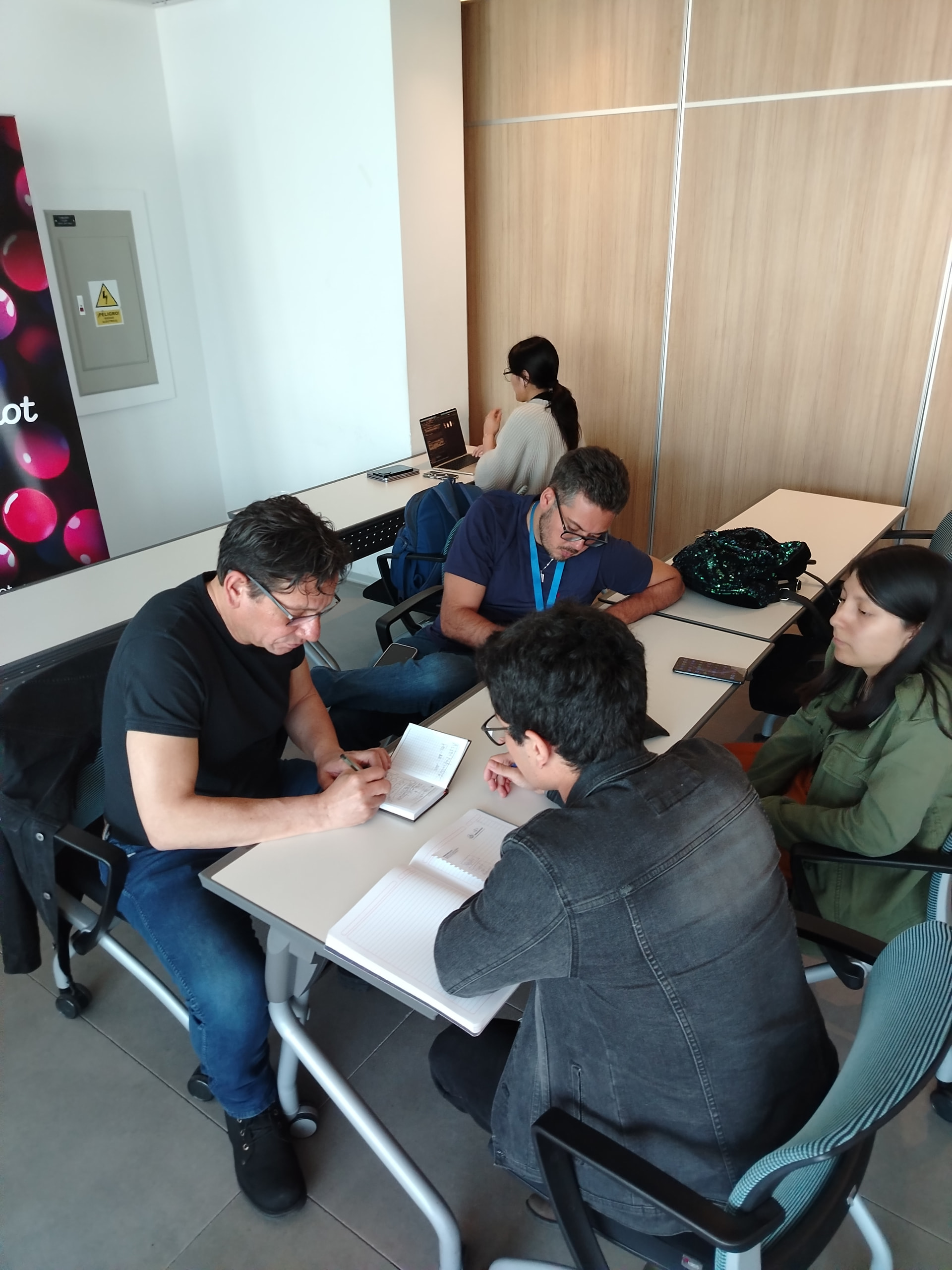
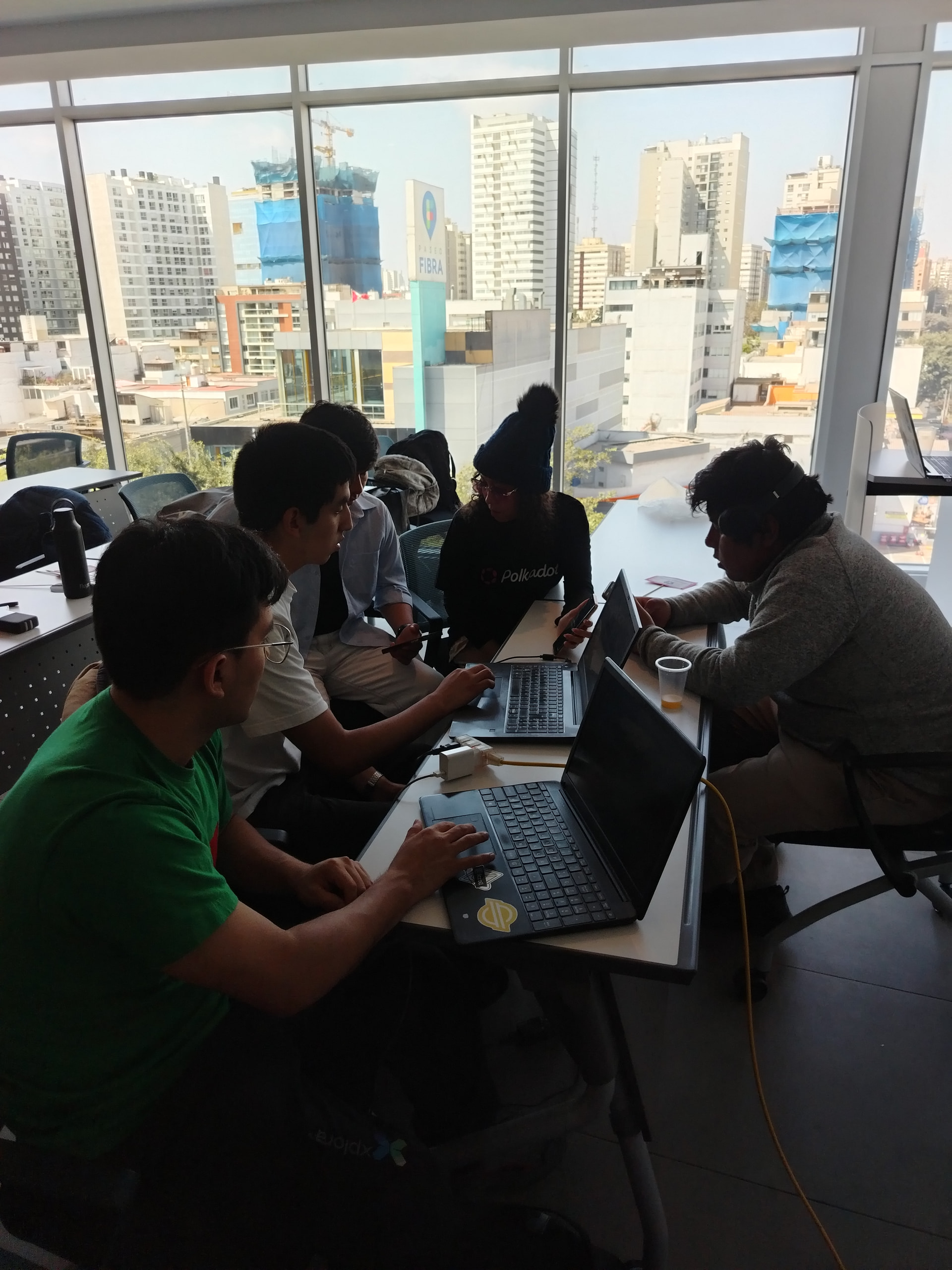
On Saturday, October 11, thanks to the connection I made with the Pontificia Universidad Católica del Perú (PUCP), we organized our first Astar Network talk together with the PUCP Blockchain Club.
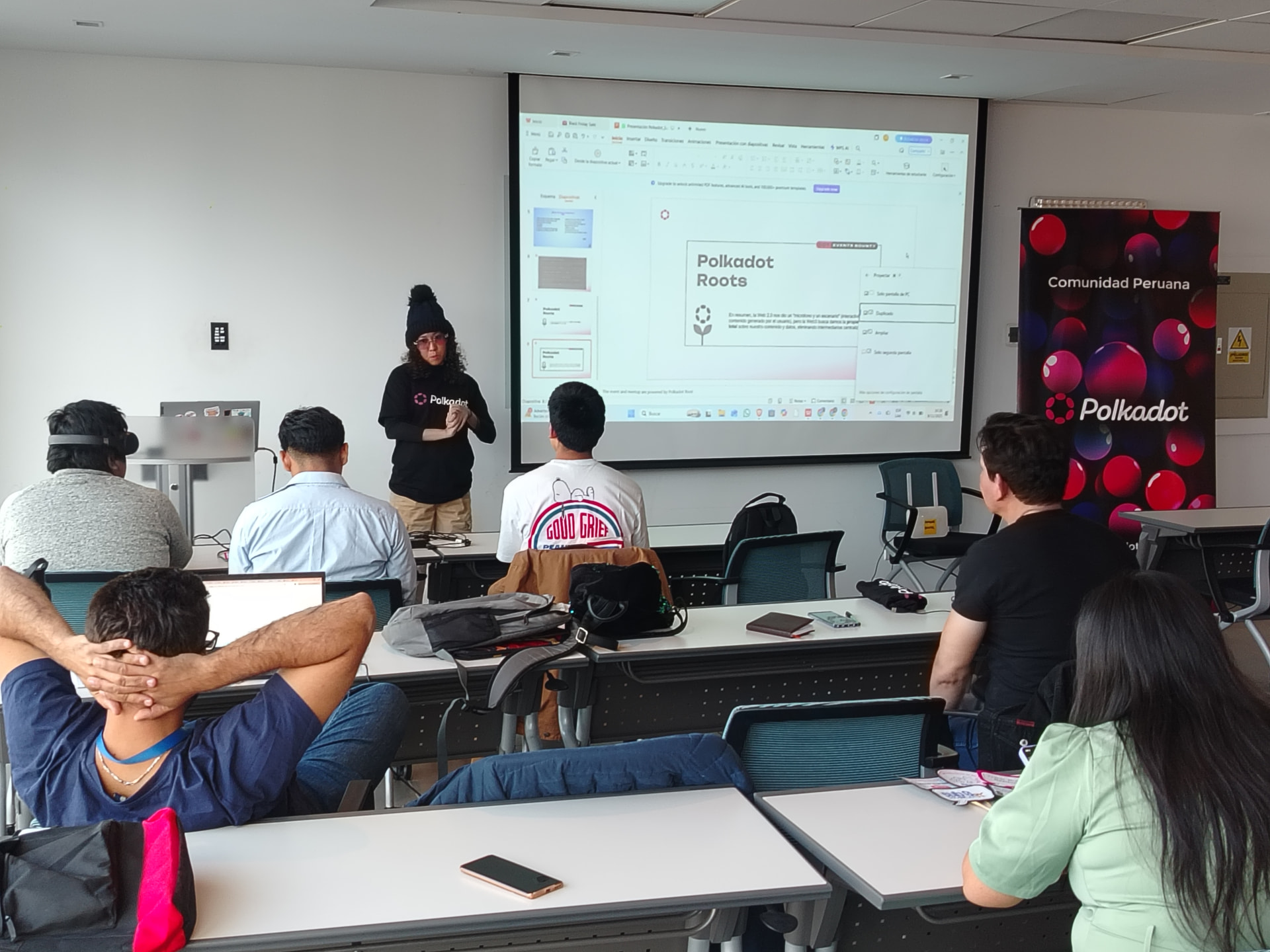
It was a small but very enthusiastic gathering. Students from different engineering fields joined us, eager to learn more about Astar and the Polkadot ecosystem.
The PUCP Blockchain Club has already hosted hackathons and other initiatives, but most of its members are still not very familiar with projects beyond Ethereum.
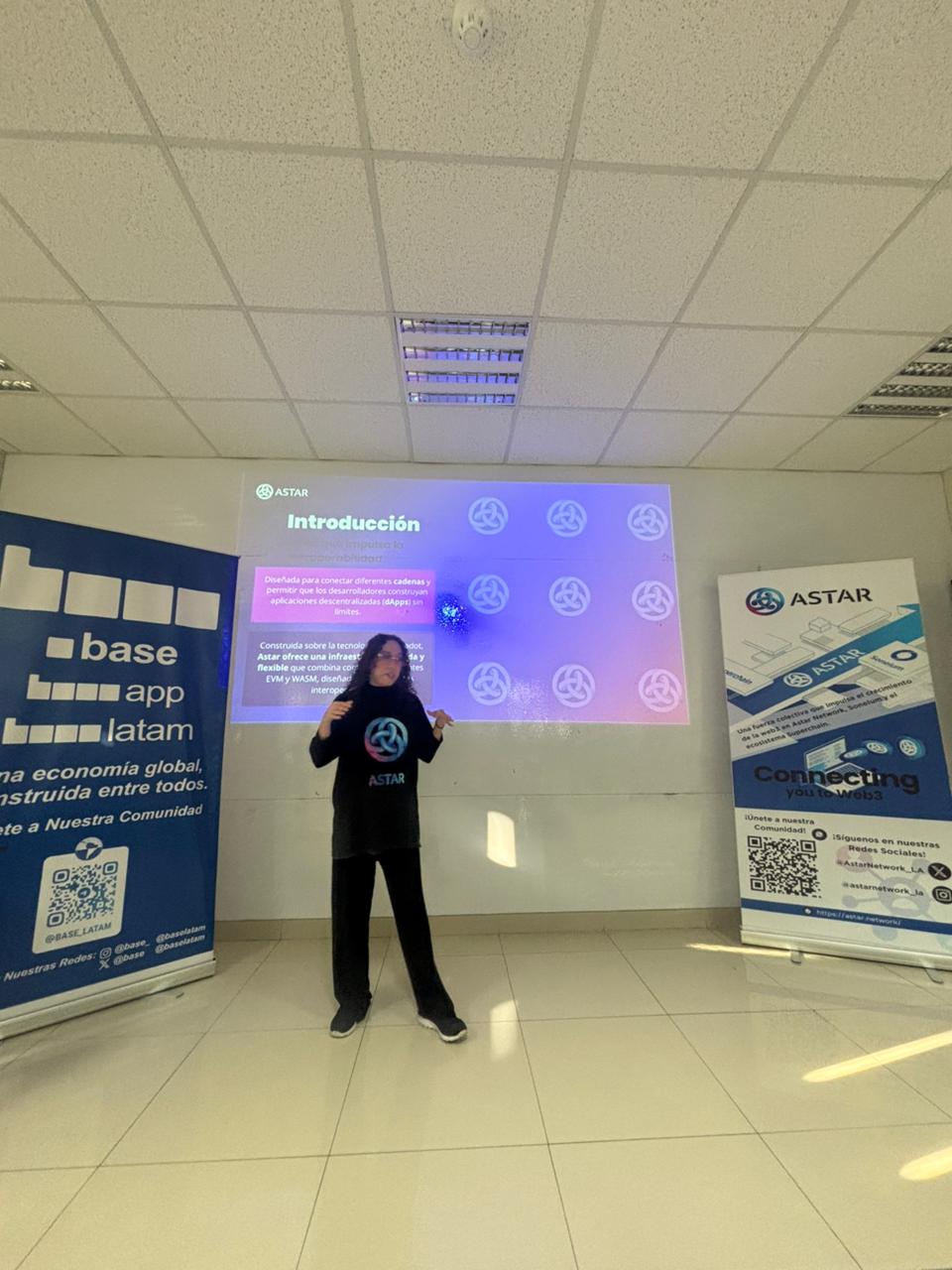
During the event, I kicked off with an introductory talk about Astar Network, giving an overview of the ecosystem, its multichain approach, and opportunities for new builders.
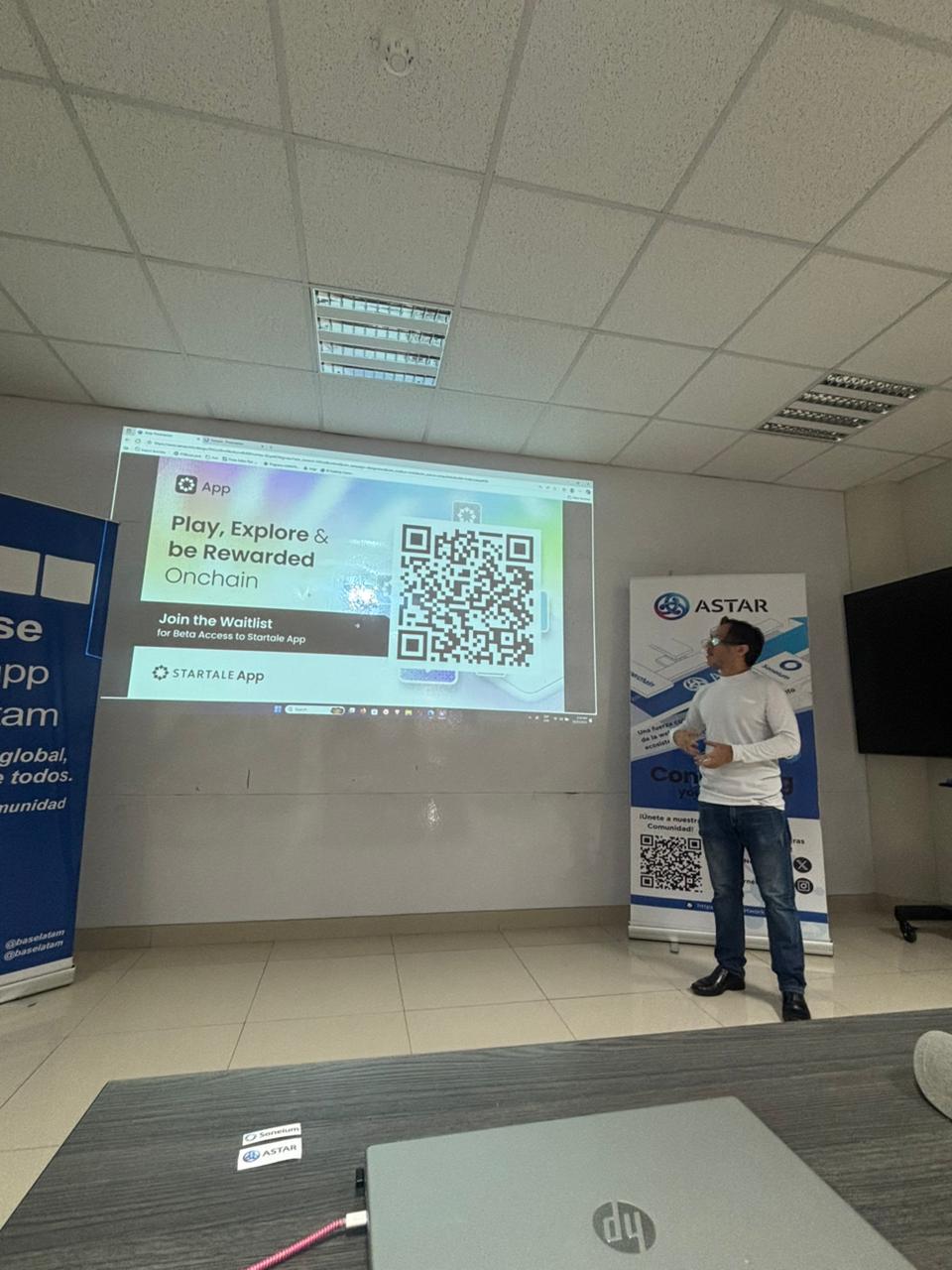
Then, @cjorgesaez gave a great presentation on dApp Staking and Soneium, diving deeper into the network’s tools and creating a truly engaging discussion.
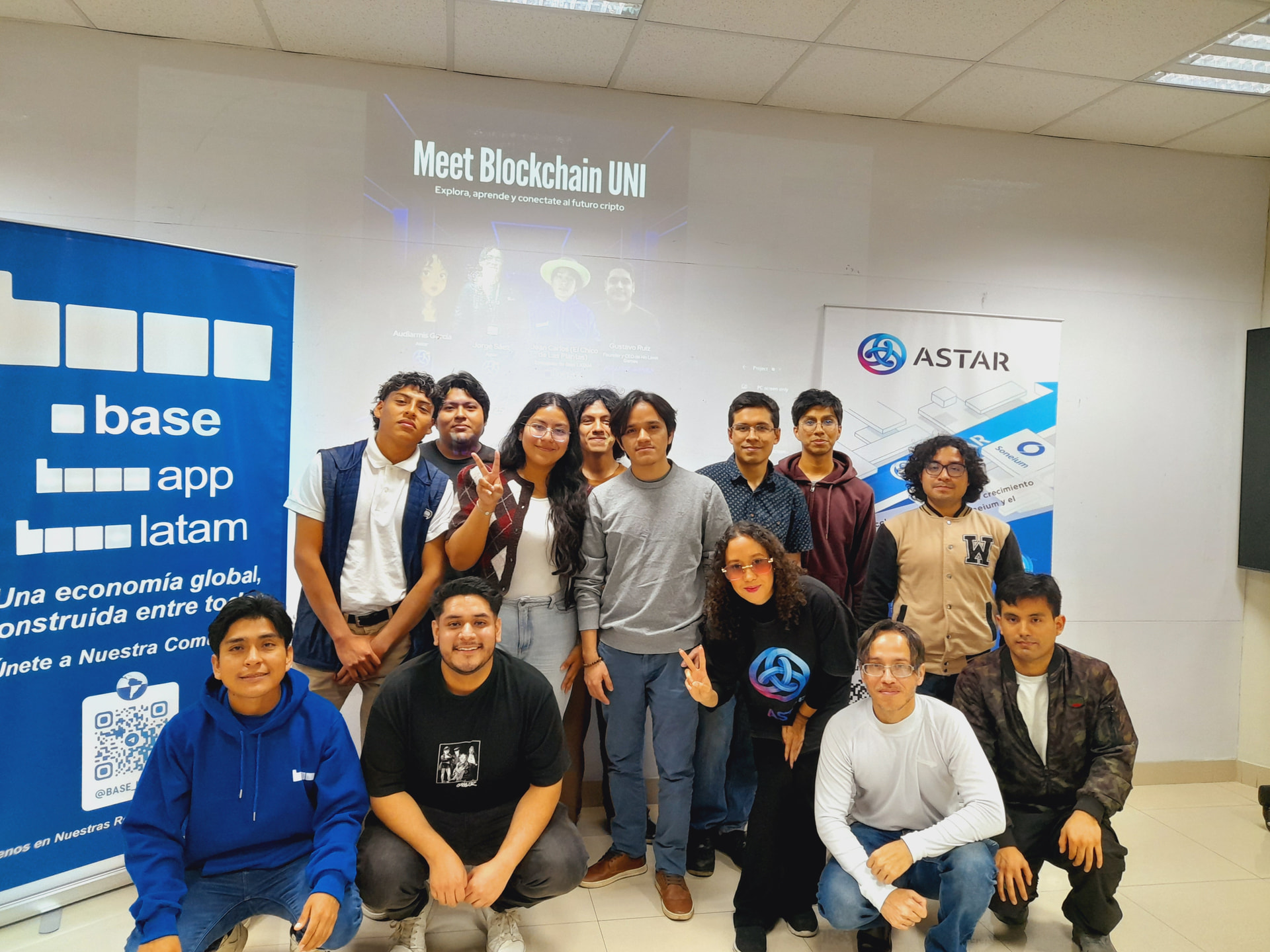
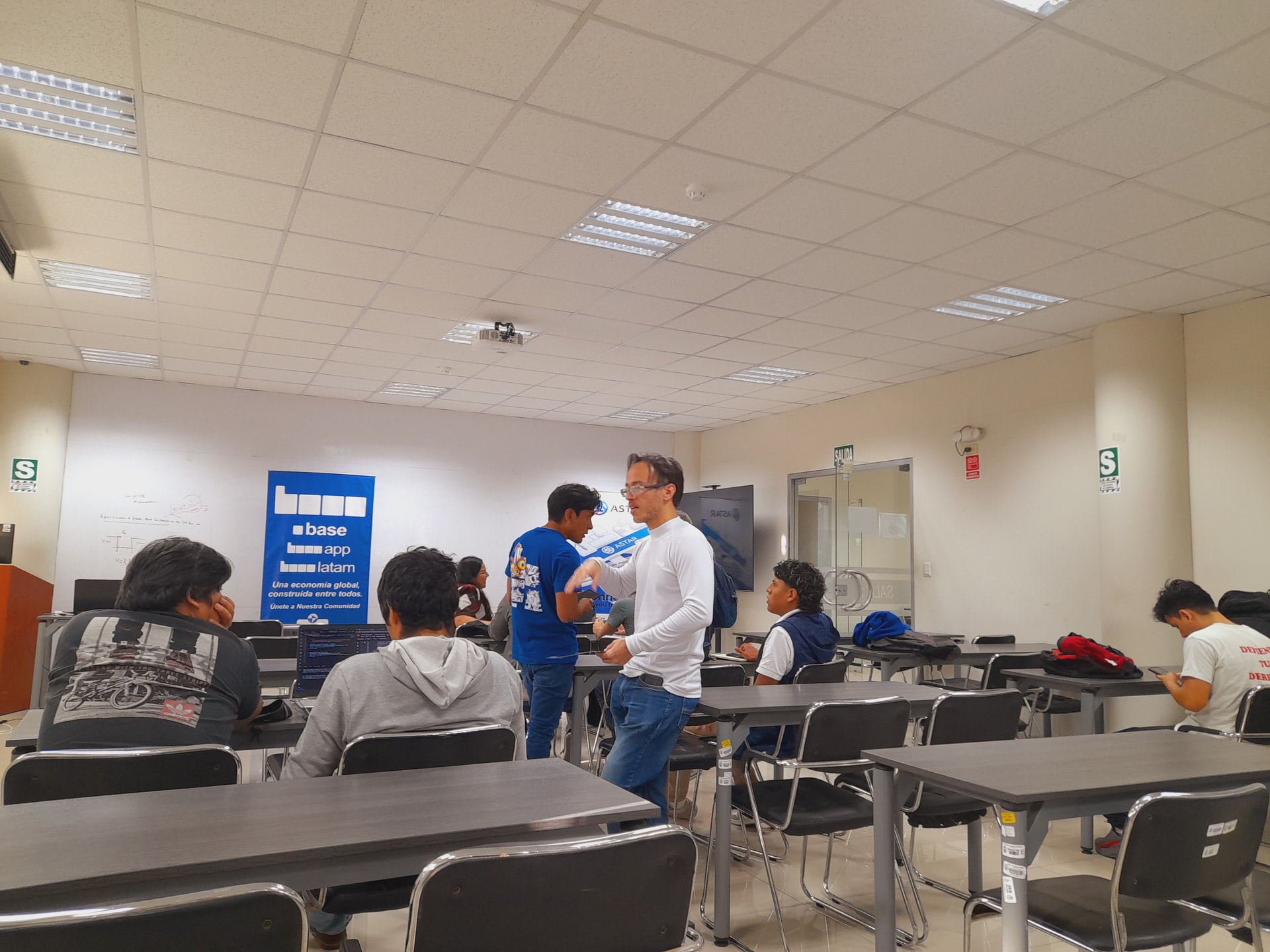
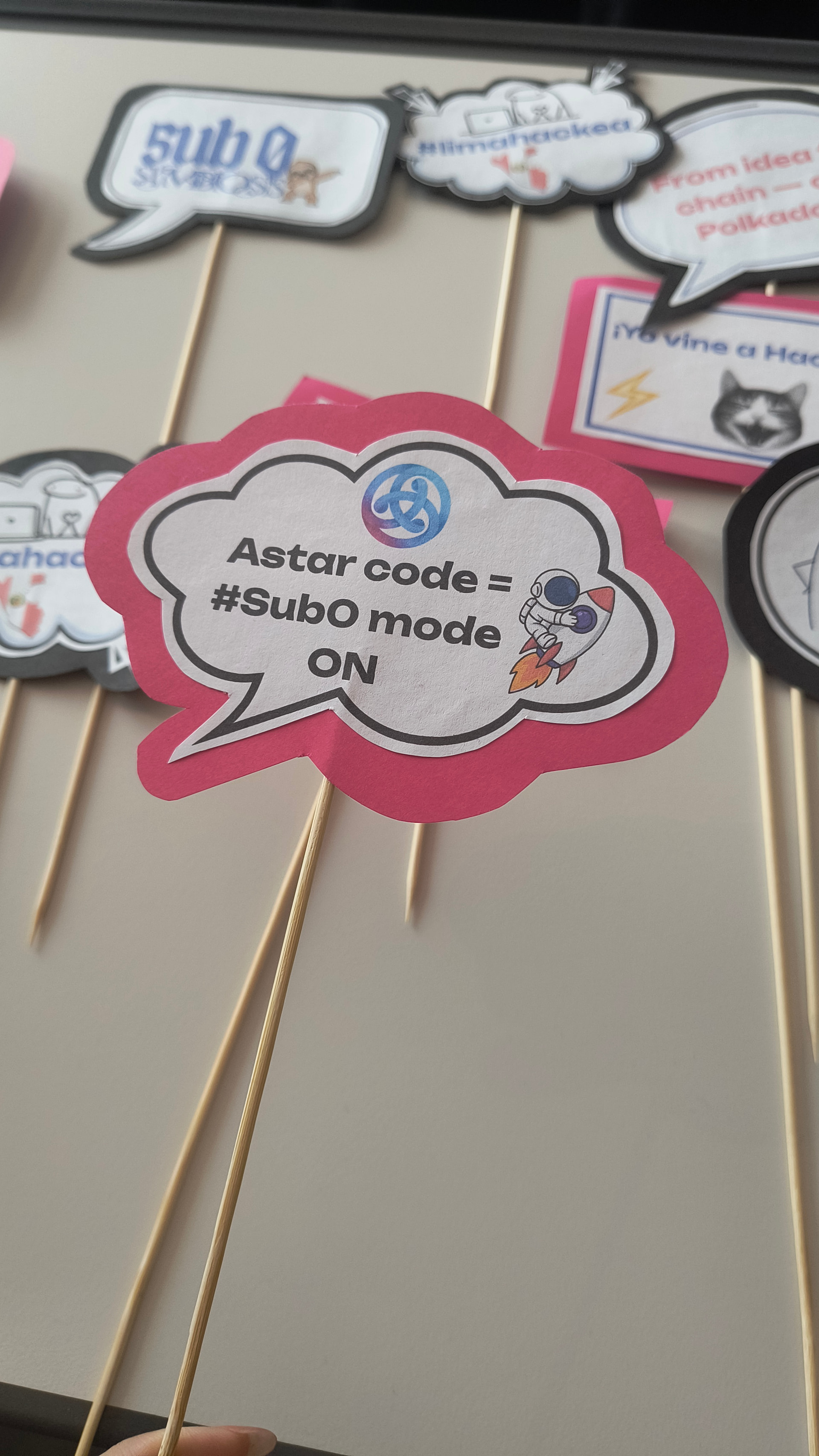
I’ve attached several photos from the event, showing the energy and participation of the attendees.
I’d like to highlight the amazing support and ongoing collaboration from @cjorgesaez, with whom I’m constantly communicating to continue adding value to the community from Lima.
Many of the students expressed their interest in learning more and finding opportunities to grow in blockchain, so I’d love to share ideas and guidance to help them keep exploring the Astar ecosystem.
I’d love to hear your thoughts:
What strategies or experiences have worked for you to introduce Astar Network to new university or student communities in your countries?
Great work, @Audiarmis and @CJorgeSaez! I’m really glad to see your enthusiasm in leading and organizing events in Latam, a region that undoubtedly has huge potential.
Were you able to get the contact information of these students? I’d like us to follow up with these small groups and help them grow into a strong collective of people.
Did you cover any governance-related topics during the session?
I’m currently gathering all the students’ information through a form, since during the talk we also guided them about the upcoming Sub0 event and encouraged them to participate. I’m also working on creating a positive follow-up process so they can start building their own ideas within the ecosystem — many of them are still new to blockchain and just beginning to explore it.
During the session, we had an introductory discussion about Astar and Soneium, and yes — we also explained governance and dApp Staking.
Thank you very much for sharing and doing this great work of bringing Astar to university! @Audiarmis and @CJorgeSaez!!!
From my experience, I would like to share what works best when introducing Astar Network to university communities:
Start with real-world context – Students connect better when you explain why Astar’s multichain and dApp staking model matters in today’s Web3 ecosystem (e.g., sustainable incentives for developers, interoperability with Sonieum as L2).
Run mini-workshops or demos – Instead of long lectures, have students deploy a simple dApp, stake on Astar, or explore the portal. The “learn by doing” approach always inspire students’ curiosity.
Collaborate with local blockchain clubs or tech departments – I think you have already done that
Encourage follow-up projects – Help students form small teams to participate in hackathons or contribute to open-source repos; this turns initial curiosity into real involvement. Such as this one: https://x.com/AstarNetwork/status/1979155465729904898
If you ever want to explore collaboration in China, I would be super happy to talk more with you
Hi @DrCAO Thank you so much for your feedback and kind words, I really appreciate it!
Yeah, I totally agree with you on this, I think presenting Astar Network and Soneium at ecosystem events of all sizes and formats definitely works very well for publicizing projects, getting a first look, and sparking curiosity about using the products and building on the protocols, as well as understanding how participating in Web3 can generate a tangible impact. However, for this to happen and to be able to take this further and get students more actively involved at the development level, I totally agree that more practical events are necessary. As you mention, workshops are undoubtedly a great way to learn by doing, which can motivate them later, through these first practical experiences, to participate in larger initiatives like hackathons.
I truly appreciate you taking the time to share a little about your experience developing university initiatives for Astar, and your valuable suggestions that we will definitely take into account and that will definitely help us in our approach to developing future approaches or initiatives with students!
About this, count on it! Of course, we’re open to collaborations. It would be a great pleasure to collaborate with you and other ecosystem players on future collaborations. Count on us for this; I think it would be really great!
On Telegram, Discord, and other social media, you can find me as @CJorgeSaez.
Again, thank you very much for your support, feedback, and kind words, it will be a great pleasure to collaborate together!
Thank you! Absolutely, I couldn’t agree more! Bringing Astar Network and Soneium into workshops and hands-on sessions is exactly what helps bridge the gap between curiosity and real participation. I had sent you a message on Telegram, and let’s chat more for the possible collaboration!!! My tg is @ahjxcrz !
Last Wednesday, @Audiarmis and I visited another university, this time, we held a short talk at the National University of Engineering (UNI) with their own blockchain club, Block in UNI, and the local Base team.
During this meeting, we had the opportunity to share with some students, mostly from Computer Engineering, and introduce them to Astar Network and Soneium.
We gave a dynamic and introductory talk about both protocols, provided a brief overview of the dApp Staking system, gave a tour of the Astar Portal, and announced the new Startale app. We invited them to sign up for the waitlist to be among the first beta testers to try the app.
It’s always a great experience to share with students interested in getting involved in the Web3 world.
The talk was really great and allowed us to get to know and connect with the attendees a little better!
Thank you for the report — it sounds like a wonderful opportunity!
How did the participants react, and what kind of motivation or enthusiasm did they show?
I’d love to learn more about the trends among people attending these kinds of events in the LATAM region.
Excellent work @Audiarmis and @CJorgeSaez in seeking to expand Astar’s presence in other countries, that’s great and drives us to have more recognition.
What I would like to see now as a community member is continuity in your work: more events, workshops, or other activities that allow users to continue advancing.
You have my support to continue working on Astar’s expansion!
Thank you very much for sharing such a valuable activity report.
It’s great to see that you also delivered key highlights of Astar as well as the latest updates on Soneium and Startale.
If possible, while I understand that providing full materials might be difficult, I would appreciate it if you could share how you structured the agenda for your talk. I will also have opportunities in the future to speak to students about blockchain fundamentals and introduce Astar and Soneium, so it would be very helpful as a reference!
The event was truly great! While these types of gatherings are relatively small, everyone was genuinely interested in learning more about the projects and opportunities they offer. Some had a very superficial understanding of Web3, while others had more in-depth knowledge, but everyone was eager to learn more and explore the potential opportunities these technologies offer, especially on the development side.
Yeah, I think these kinds of events, even though they’re small, are really valuable because, in addition to showcasing projects, they allow you to have closer contact, get to know the students, listen to their concerns, interests, and motivations, and this subsequently opens doors to the development of various future initiatives. This will lead to the students who attended becoming ambassadors of the information provided, sharing what was done, and later developing increasingly larger activities such as workshops, conferences, bootcamps, etc. Of course, adapting these types of initiatives according to the needs, receptiveness, and level of knowledge of the participants.
I definitely think they are a great opportunity to promote the Web3 ecosystem to a key target audience with potential, such as the university community!
Thanks again for your time and feedback, I really appreciate it!
Sure, I really appreciate your kind words and that you’re considering the work we’re doing to help boost the Astar Network and Soneium ecosystems in university communities!
Regarding the agenda structure, specifically for this event, it was designed taking into account:
The type of event.
The profile of the attendees.
The potential number of attendees.
The event was a small talk; an open invitation was issued, and an audience of 8-20 students was expected.
In that context, the agenda was:
Introduction to the Astar Network ecosystem: What is Astar Network, a brief overview of the ecosystem, and mention of some featured projects.
Introduction to the dApp Staking system: What is dApp Staking, how does it work, and its main features.
Tour of the Astar Portal: A brief overview of each of the portal’s sections: Assets, Dashboard, Bridge, Ecosystem, Governance, and Forum.
Introduction to Soneium: What is Soneium, and its relationship with Astar, Startale, and Sony.
Recent initiatives and news: Soneium Score, Startale App launch.
Q&A session: The idea here is to break the ice and connect more with the audience.
The goal was for attendees to get a first glimpse into both ecosystems, learn about their main products, news, and recent updates. The aim was to keep the event dynamic, fun, and interactive.
What I like about these types of events, especially with smaller audiences, is that you can connect with each attendee, network, and learn about their concerns and motivations. This helps you better understand their needs, areas for improvement, and their profile.
These initiatives can then lead to workshops, hackathons, conferences, or other activities. In fact, it was through initiatives like this that I was able to hold the event at Ricardo Palma University. This was the second edition, but before the first, I had to make some initial contacts at the university, which allowed me to gauge the students’ profiles and their receptiveness to these new technologies.
I think it’s important that, for the talk you want to give to the students, you define the objectives you want to achieve at your event. For example:
If the idea is simply to introduce a new audience with diverse backgrounds, an introductory talk would work great, and a classroom with a projector would be all you’d need.
If the idea is to explore the portal and get people involved using the products, a workshop would be really great, and the theme could be more technically oriented. For this, a computer lab would be really useful, or you could simply ask them to bring their laptops to do activities during the event.
Now, if your talk is more focused on technical fields, like computer engineering students or related disciplines, then it will probably be much easier for them to understand from a technical perspective, and you could tailor your agenda accordingly, always trying to keep the event dynamic and interactive.
If it’s your first small talk at X university event and a diverse audience is expected, it’s best not to overwhelm them with too much technical jargon, as it can bore some attendees, especially those who aren’t technically inclined or who are unfamiliar with crypto and Web3.
And if you plan to continue giving talks in the future, you’ll realize that there might be some topics that would have been better added, and perhaps removed or modified in some way.
We often encounter a shy audience, but the key is to take the initiative and break the ice. Something that has worked for me, among other things, is sharing a personal anecdote or experience within the ecosystem, like how I got started in the crypto world. This definitely helps to ease tensions and generate more interaction, and a large part of the audience might even identify with it.
I hope my answer is helpful! If you’d like more information on any topic or think I can help you with anything else, please don’t hesitate to contact me through this channel or even via Telegram, Discord, or any other social media platform. You can find me as @CJorgeSaez on any of them. It would be a pleasure to help if I can!
Again, thank you so much for your feedback, kind words, and support. I truly appreciate it!
Thank you very much for taking the time to provide such a thoughtful and detailed response! It is extremely helpful.
In particular, I resonated with your final points about designing events with students in mind, and it reminded me how important it is to structure them carefully. Yesterday, I discovered that the vocational school where I work has a wonderful presentation room. Rather than hosting a large event right away, I am considering implementing things step by step.
For example, when organizing a class, seminar, or event related to Web3 or blockchain, I thought it might be useful to conduct a survey beforehand to check what students would like to learn or what they are interested in.
What do you think about this approach? I would really like to hear your opinion.
Absolutely, I definitely think that doing things gradually is best, especially if you have the access and possibility of holding subsequent events at the university. Personally, before organizing any medium-to-large event, I prefer to do a smaller one, as this will allow me to understand in more detail the attendees’ receptiveness to crypto and blockchain, the students’ profiles, their level of knowledge, interests, and motivations.
I think it’s really great that you’re planning a preliminary survey to find out what kind of event you’re going to hold. Honestly, I haven’t used this approach for events since I gather data during small talks, but if you can do it and have the resources within the university, I think it’s fantastic that you’re doing it. It will undoubtedly help you collect truly valuable information, as well as a database that will be useful not only for the event you’re planning but also for promoting future events.
If the event is open to different profiles, it would be great to extend the survey beyond just engineering students to everyone in general. For example, I’ve encountered marketing professionals interested in connecting their field with Web3, designers and artists who have become curious about Web3 and would like to tokenize their art through a game or NFT project, lawyers with a strong interest in exploring the crypto area, and institutions interested in applying blockchain to some of their internal processes.
That’s really great! If you already have a space adapted for this type of event, then you’re almost ready. Location can often be one of the main barriers when organizing an event, but in your case, it’s fantastic that you already have an ideal space for this preliminary event.
Once this event is over, you’ll come away with truly valuable information, which will allow you to organize a larger-scale event later on. The attendees of this first event will undoubtedly become ambassadors of what they learned, spreading the word about similar events and increasing the interest of other students in future gatherings.
For larger, subsequent events, I would definitely suggest connecting with clubs or any other form of student organization that you can partner with to amplify your reach. Likewise, considering that you plan to hold the events at the university, it’s really important to connect with core university members; rectors, faculty coordinators, protocol officers, and the like—as this can give you access not only to venues for the events but also to various forms of support.
I know that doing this isn’t always easy, as it generally requires highly bureaucratic processes. These processes are more extensive in some universities than in others, but if things are done in advance and it’s demonstrated that it’s worthwhile, it can undoubtedly be achieved. This not only benefits your event but also positions the university as an institution that helps promote these types of technologies. For example, after the event I held at Ricardo Palma University, I’m currently collaborating with a local blockchain development startup to organize a series of three monthly hackathons. Although the hackathons themselves will be virtual, their opening ceremonies will be in person and will take place at Ricardo Palma University.
Hello everyone. I’ve had some difficulties accessing the forum—I’m not sure if it’s happening to you as well, but I’ll double-check my account. I’ve read several messages, and I’d like to respond specifically to a few comments I saw.
@you425 asked about trends in Latam related to these kinds of activities. In addition to what @cjorgesaez mentioned, I’d like to add the following: Peru is a key country in the growth of adoption in Latam because, in recent years, the community has done an exemplary job. To give you an idea, one of the country’s main banks already has a project approved by the SBS that allows users to buy crypto directly through their platform. You can read the full information here: https://www.criptococosbcp.com/
We’re in a great moment to organize more hands-on events. In fact, during the meetup, participants asked about an Astar Network hackathon, since most of them are students in programming-related fields.
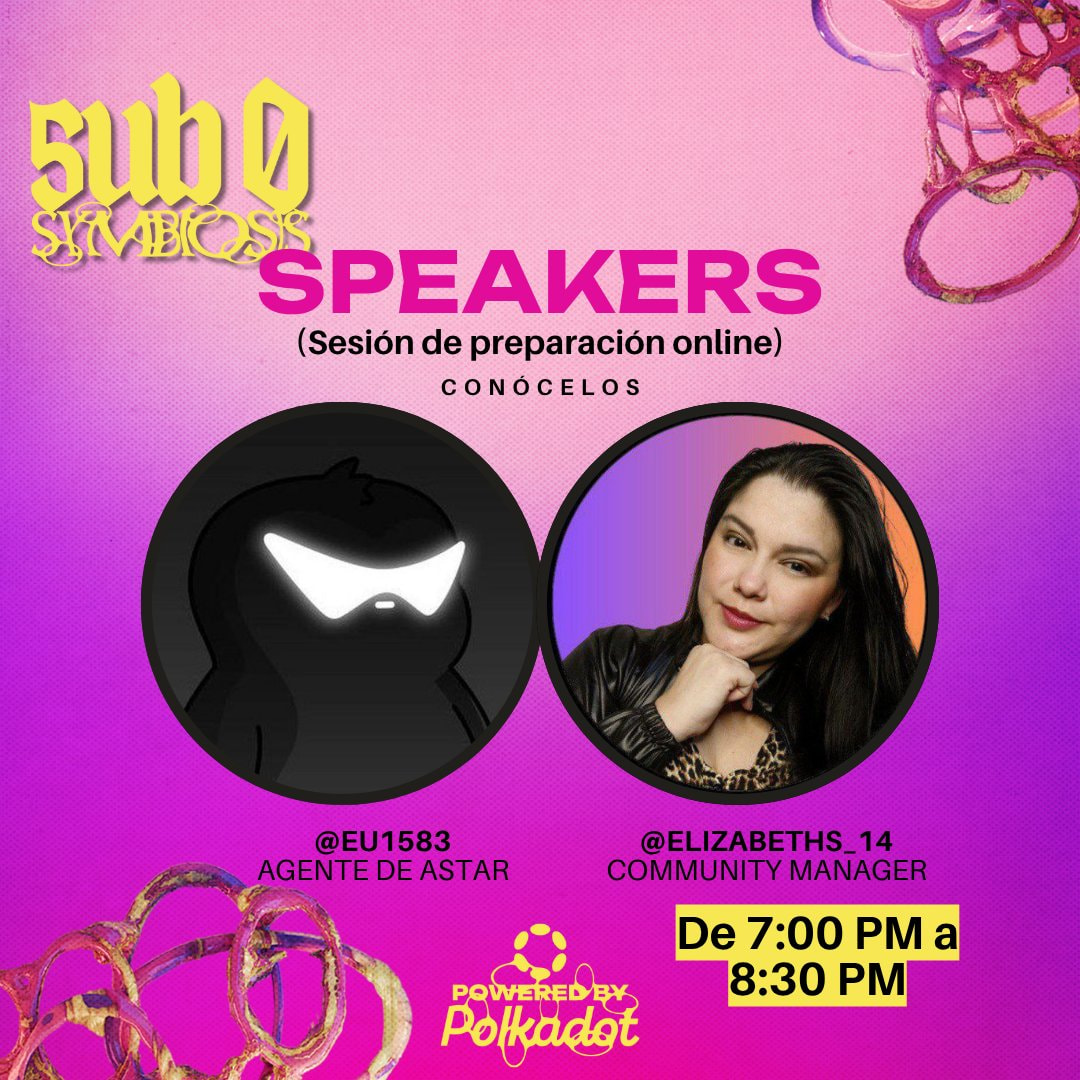
Speaking of updates and recent activities in Lima, I wanted to share that I was part of the organizing team for the global Sub0 hackathon in Lima. Even though it was a small group, three teams were formed and two of them used Astar Network technology to participate in the hackathon. This activity is part of the hands-on initiatives we want to keep developing in the region.
For the hackathon and the introduction to the Astar Network ecosystem, I had technical support from @vangardem. We first held pre-event sessions, then the in-person event where the teams were formed, and finally a closing session.
The participants were incredibly talented — despite the short time, they developed very interesting projects. For many of them, this was their first hackathon, and we provided all the resources we could.
I can say that sometimes we feel intimidated by the technical side of the technology, but this event showed me that it’s worth continuing to study so we can better guide those who want to build with it. I enjoyed it a lot, and I hope more activities like this can be held soon — I’d be very happy to participate. So I believe this activity aligns with the expectations, @juminstock. We keep moving forward.
 I’m Audi García, and although this is my first time writing in the Forum, I’ve been interacting with the Astar Network community for over a year now.


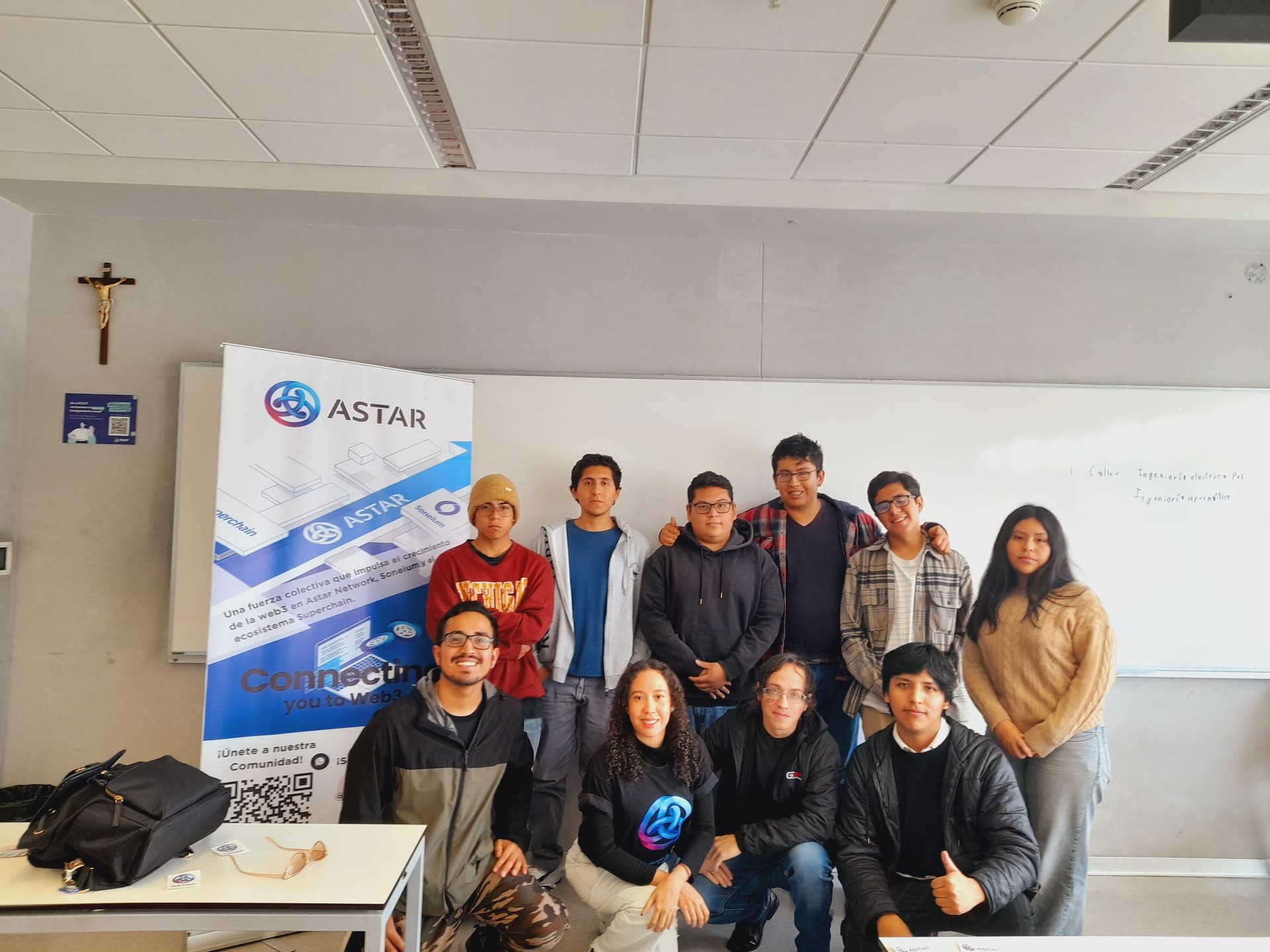

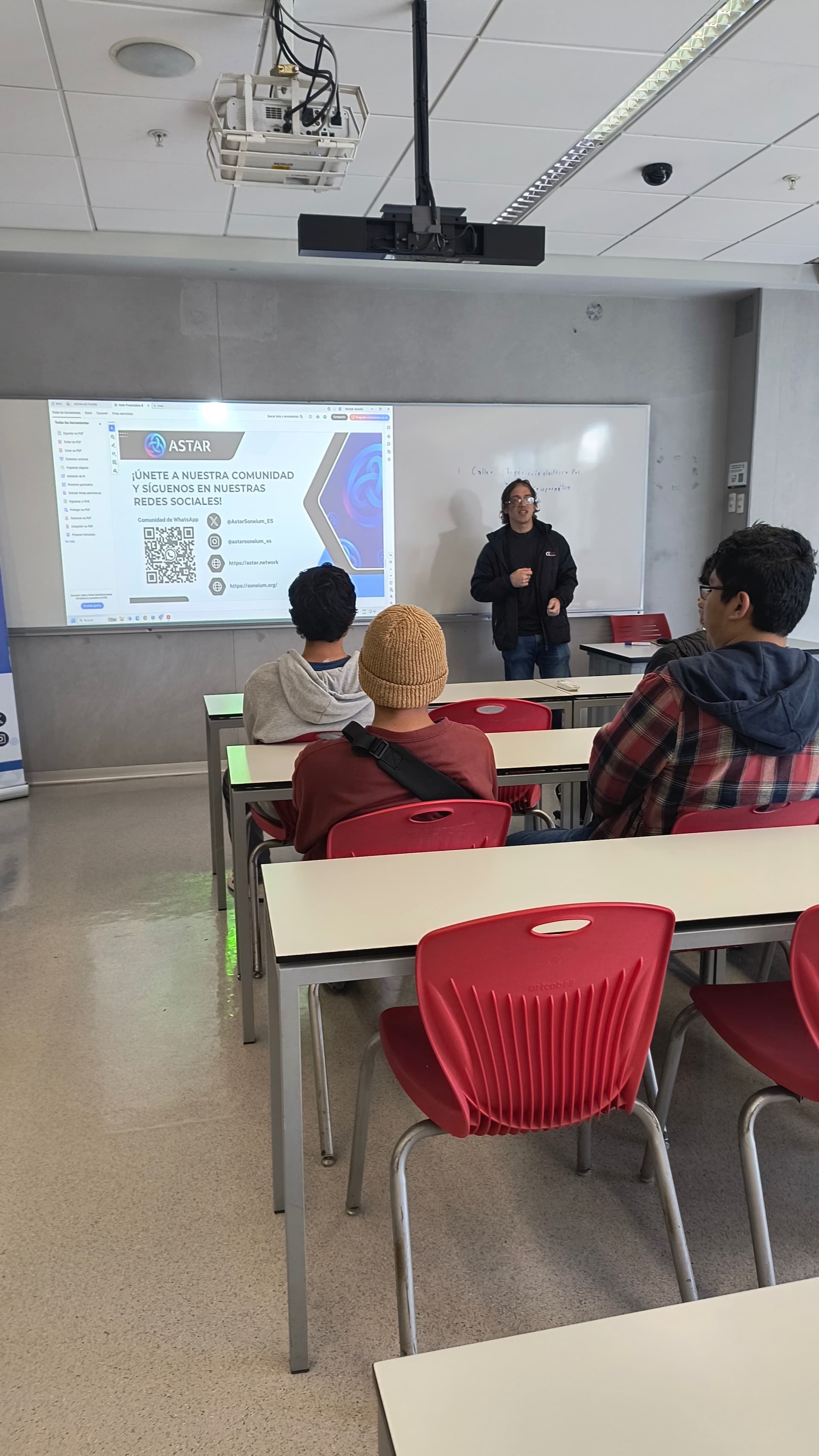
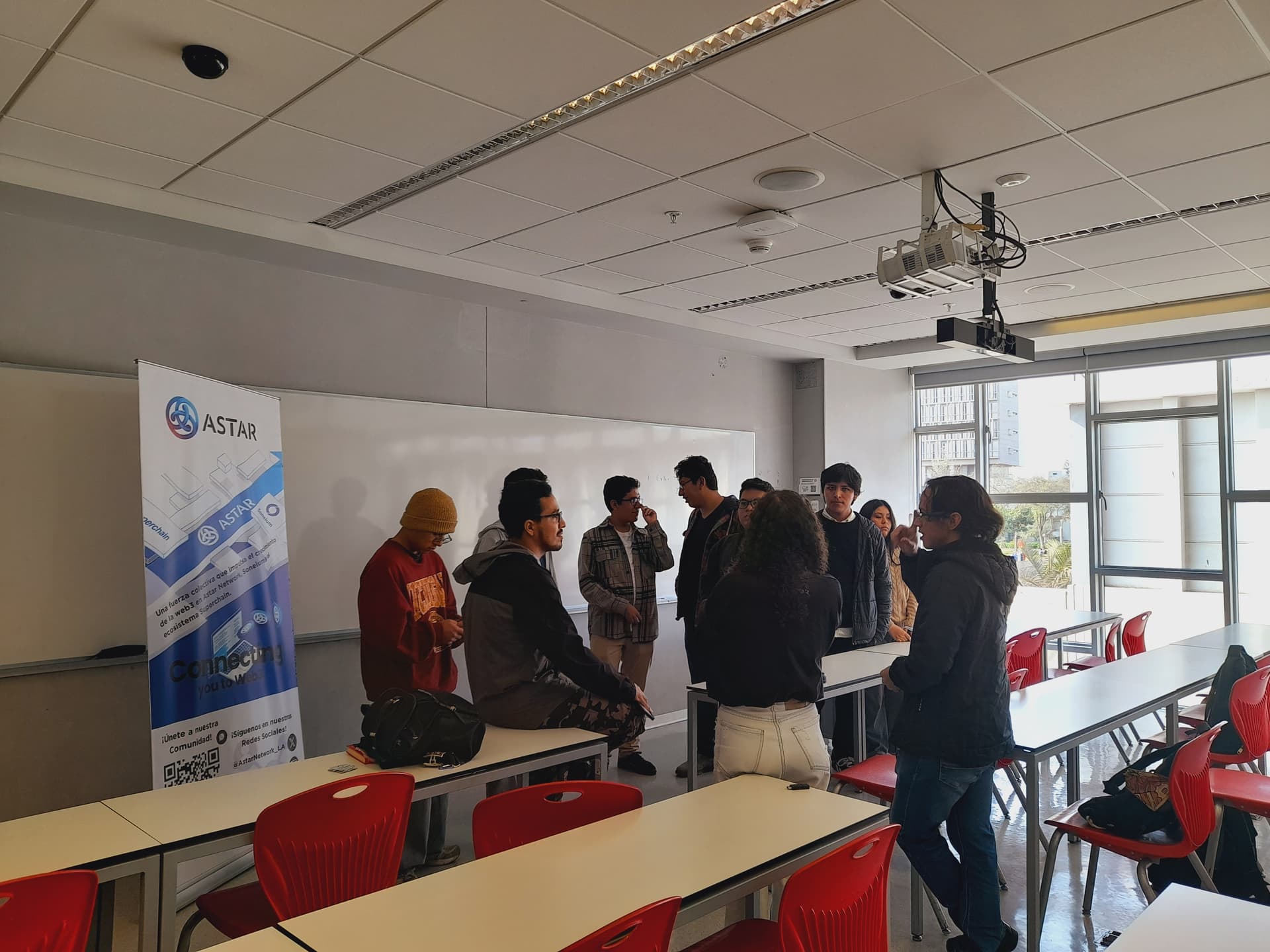


 I’ve attached several photos from the event, showing the energy and participation of the attendees.


 I’d love to hear your thoughts: